SEGA Survivors www.sc-3000.com ©2008
Page 1
An Interview with Stephen Coupe
Programmer of the Arcade Pack
collections on the Sega SC3000.
Date of Interview: 29th May to 4th June 2008
Interviewer: Aaron Wheeler
AW> Thanks for taking the time to answer some of our questions. Maybe you can
start out by telling us a little about yourself and where you currently reside?
SC> It was 26 years ago at the ripe young age of 13 when I started developing computer
games in BASIC. After 3 years of tinkering, I finally dipped my toe into the marketing
side of life and started selling games through Poseidon software. Over the years I have
remained in the computing field working for the last 10 years with IBM as well as running
my own web design business http://www.dizzydesign.co.nz (shameless plug). I am
living in Auckland and married with 6 kids (all girls), many who cant be called kids any
more as they are all grown up and gone their separate ways. I now use web design as
my creative output. It incorporates graphics and coding to keep my brain ticking over
AW> Was the Sega SC-3000 your first computer? Or had you owned others prior?
SC> I started off with the good old ZX81 with a massive 1k of memory. I then moved on to another weird system
(which I don’t recall the name - its wasn’t a well known brand) and eventually turned to the SC3000 and stayed
with that for a couple of years.
AW> What Sega Hardware did you own and use? Do you still own any Sega Hardware?
SC> I started off with the SC-3000H and the SR-1000 data recorder along with the printer and joystick. Before
long I also invested in the control station (SF-7000). Sadly I don’t have any SEGA hardware anymore, I gave it
to my sister when I moved on to another computer system and haven’t seen any Sega stuff since.
AW> Why did you purchase a Sega SC-3000 instead of say a C64, Atari 800XL, Apple?
SC> I think I was attracted to the graphic abilities (sprites) and the price. The Sega also seemed to be more of
a cross between a games console and a computer... the best of both worlds I thought.
AW> What do you think was the Sega SC-3000's biggest limitation?
SC> I don’t really recall any limitation and I always found it was a powerful machine for its time. The sound
abilities always let me down - but that was probably more down to my lack of musical skills and not being able to
string two notes together to make a melody. Perhaps an increase in colours would’ve made gaming more
easier.
AW> Can you tell us how you got into programming for the Sega SC-3000?
SC> Yes - I was a teen computer geek and just got hooked on programming as a hobby. After writing games for
other systems, I eventually started writing games for the SC3000.
AW> How did you learn to Program in BASIC and Machine Code?
SC> I learnt BASIC when I was around 13 years old from studying other programs and using the "wonder what
this does" method. I moved into Machine code after reading articles in Sega magazines and took it to the next
level after purchasing a Z80 mcode book.
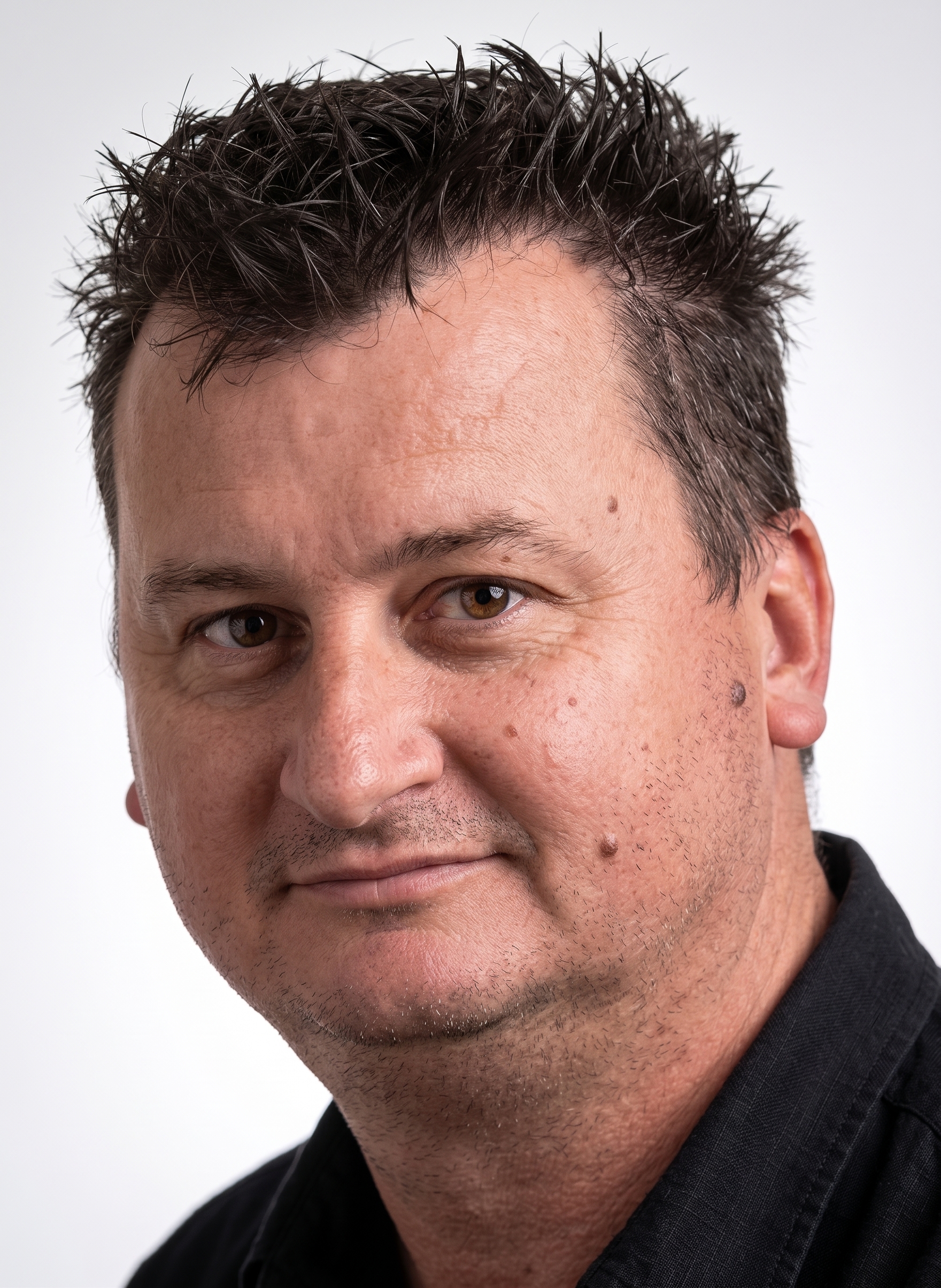
Steve Coupe
1 / 6
SEGA Survivors www.sc-3000.com ©2008
Page 2
AW> Did you originally start programming for fun or as a hobby then turn professional, or were you
working professionally from the start?
SC> It all started out as fun with no intention of making large wads of cash, I was a young lad who was over the
moon to be able to be up there with the big boys writing and publishing software.
AW> What was your approach in developing a game? Did you plan it all out on paper, and then start
coding, or was it more hands on to start with?
SC> After getting the plan in my head, I would actually do all my coding on wads of paper before typing it all in
and then debugging it... in hindsight I don’t know why i did it that way at the time, because it doesn’t sound very
efficient... but it worked well for me and I could churn out progs pretty quickly. The graphics were also planned
on grid paper and then I would painstakingly type those in hex too.
AW> Did you code alone? Or were you working with a team?
SC> Yes alone - it was just me and the record player to keep me sane. I should apologise to the neighbours
now for the volume of the stereo while I was creating my latest piece of work.
AW> Did you test all your own programs alone? Or did you have some friends or
colleagues that you could call on for testing them?
SC> All the testing was done by myself apart from when friends would come over and
play and we would fire up the Sega beast. At the time I didn’t know anybody else with a
SEGA.
AW> How long did it take to program the average program and bug fix?
SC> I really don’t recall but it didn’t seem like a long time. I used to work on them after
school and in weekends - probably popping out a new game in a month... not all made it
to market.
AW> How did you go about duplicating and marketing a program once it was finished?
SC> I just did the development and left the marketing with a chap who took care of that side of things. I was too
young to dabble in the commercial side of life.
AW> What was the biggest challenge you remember that you had to overcome getting a program to
market?
SC> Probably my age at the time.... who would want programs written by a spotty faced 16 year old.
AW> When you submitted your programs for marketing through Poseidon Software, What was the
process? Who's idea was it to bundle your games in packs of 3?
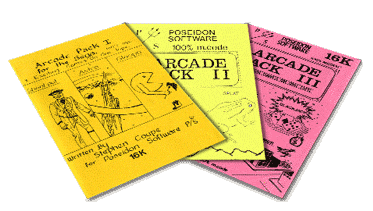
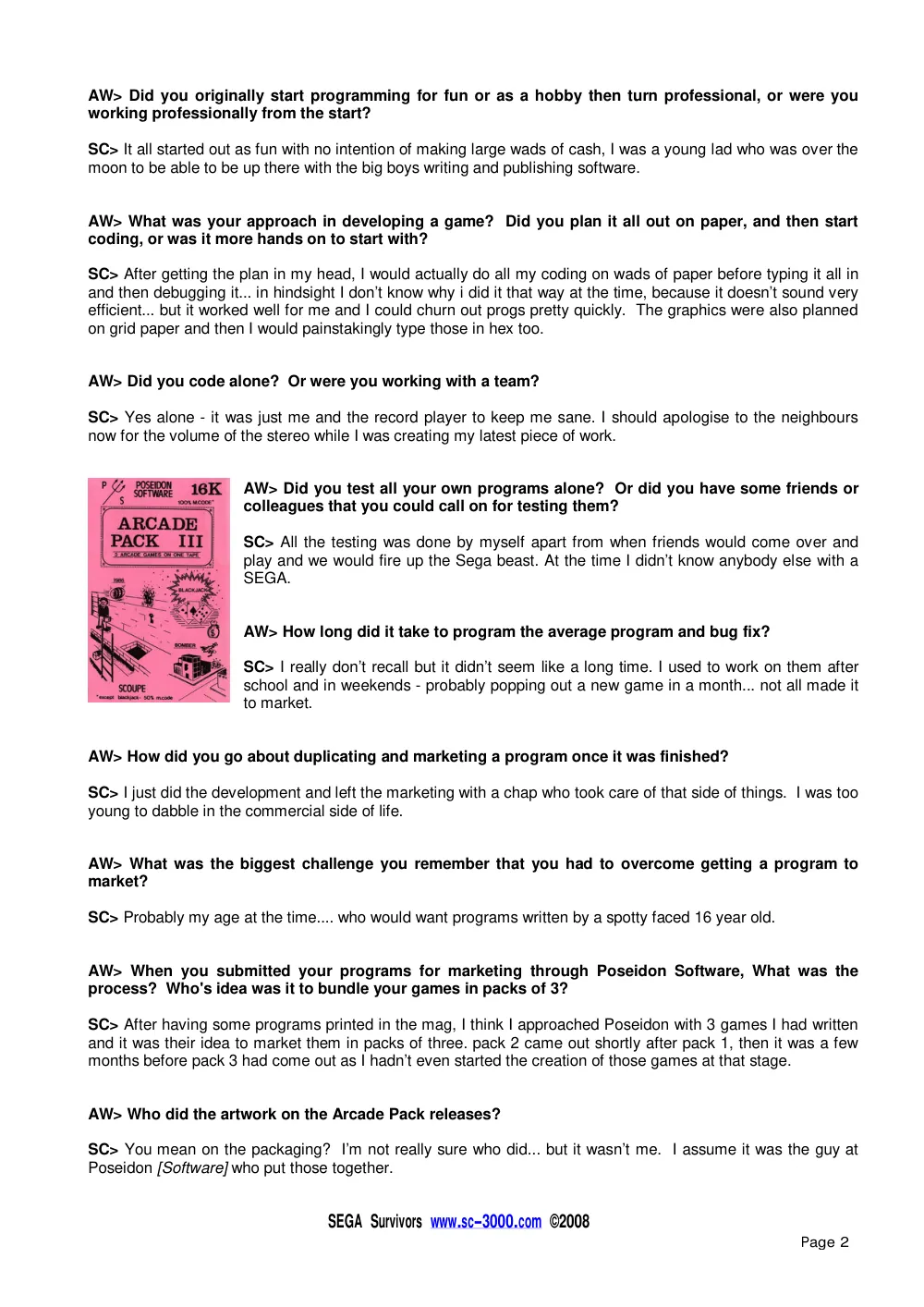
SC> After having some programs printed in the mag, I think I approached Poseidon with 3 games I had written
and it was their idea to market them in packs of three. pack 2 came out shortly after pack 1, then it was a few
months before pack 3 had come out as I hadn’t even started the creation of those games at that stage.
AW> Who did the artwork on the Arcade Pack releases?
SC> You mean on the packaging? I’m not really sure who did... but it wasn’t me. I assume it was the guy at
Poseidon [Software] who put those together.
2 / 6
SEGA Survivors www.sc-3000.com ©2008
Page 3
AW> What was the software market like for the Sega SC-3000?
SC> I don’t really recall.... there seemed to be a lot of cartridges in my
local appliance store but I spent most of my time creating than playing.
They didn’t stock the home grown games, and these had to be
sourced through magazines which grew over time.
AW> Of your own software, which do you like the most? Which
would you have liked to improve?
SC> Thanks to "SC3000 survivors" I have had a chance to relive all my old programs through the emulator. My
favourite would have to be 1986 - its a challenging and addictive game. Of the ones that made it to publishing...
probably bomber is one that I would’ve liked to have improved.
AW> Your games were some of the best New Zealand software I'd seen at the time, with great use of
sounds, title screens, in game graphics as well as tight gameplay. Astro for example would've made a
neat cartridge game, and 1986 certainly is challenging even to this day. Maybe I'm just too old now, but
getting to level 3 seems harder than it used to be. What did your family and friends think of your
programs and programming hobby?
SC> Thanks for the compliments... It does mean a lot to me. Friends thought it was pretty cool to play them but
don’t think they appreciated how much went into creating them, and Family was pretty supportive of my
achievements too.
AW> Were your programs well received at the time? How well did they sell?
SC> I didn’t get to retire at the age of 18… so it wasn’t too hot. Either that or someone is sitting on my royalties.
AW> Inspiration for your games seems to be from the various popular arcade games of the era, as per
the titles 'Arcade Pack 1, 2, & 3'. Did you spend much time at the arcade parlours playing the arcade
versions?
SC> Not as much time as I would've liked - which is pretty much why I bought a home computer and started
creating my own games. Growing up on the shore and the arcades being in the city was a long bus trip.
AW> For many years, I’ve been wanting to ask you about why you named one of your games ‘1986’?
SC> I wish there was some deep and meaningful explanation as to why I called it 1986... but if I recall, I just
couldn’t think of a name and it was the first game I completed in that year (1986).
AW> Did you write any programs that didn't make it to market? Why didn't they get there?
SC> There were probably loads but I’ve purged those ones from my memory banks. I had a few cracks at a
monopoly type game - but the concept got more complex to the memory available. A
lot of stuff I never completed, ended up mothballing and they never got to see the
light of day.
AW> Do you think the companies that supported the Sega SC-3000 did a good
job with their support, or did they leave the Sega to it's own devices? [ie. Sega,
Grandstand Leisure, Poseidon Software, John Sands, T.T.S., Loriciels]
SC> I honestly don’t recall what the support was like.. I think it was pretty much left to
its own devices. The bi-monthly magazines were a wealth of information.
3 / 6
SEGA Survivors www.sc-3000.com ©2008
Page 4
AW> If you could go back to the 80's and start again, would you have stayed with the Sega platform for
as long as you did, or would you have bypassed the Sega and coded for another platform?
SC> I always liked the Sega and would’ve stayed with it had the NZ support not dried up completely.
AW> Did you contribute to any of the Sega Magazines of the day? [ie.
Sega Computer (Official Club Mag).
SC> I had a few programs published in the Sega computer magazine simply
by sending them in work I had done. I would say only about 10% of what I sent
them actually got published.
AW> You mention that only a few of your programs sent into the Sega
Club magazine got published. Did they ever let you know why they
weren't published? Were you notified before they used any of your
programs, or did you only find out after receiving the magazine?
SC> There wasn’t a lot of communication at all... I would send them my stuff in
the hope of getting it published and would be over the moon to see my content
in print when the magazine came out. I assumed they would get hundreds of
programs sent to them over the 2 month period so never really thought much
of the fact that most of my stuff didn't make print. It was only after my content
started to be printed that I started sending it to publishers... the lure of money was stronger than just seeing my
name on a page.
AW> Did you write any books for the Sega SC-3000?
SC> No... thought about it but decided creating games was more fun than writing about how to create them.
AW> What did you do after the Sega Market dried up? Did you move on to programming for other
platforms?
SC> I moved on to the Amstrad but never at a commercial level. Again it was more of a hobby, and as I knew
other people with Amstrads I got to share my creations with them.
AW> Did you belong to any of the many local Sega Clubs that had started up
around the country at that time?
SC> No - not that I remember... I don’t really recall any clubs... but my memory isn’t as
good as a 16k Sega!
AW> Are you still in touch with anyone else you met through owning or
programming the Sega SC-3000?
SC> No. The only person I had contact with was the chap who ran Poseidon software
who would send me a royalty cheque from time to time to fund my computer addiction.
AW> What is your best memory of the Sega SC-3000 era?
SC> It was just a lot of fun to create a program from scratch and see it through to the end. Then to have it
published was the icing on the cake.
4 / 6
SEGA Survivors www.sc-3000.com ©2008
Page 5
AW> What were your favourite Sega cartridge games?
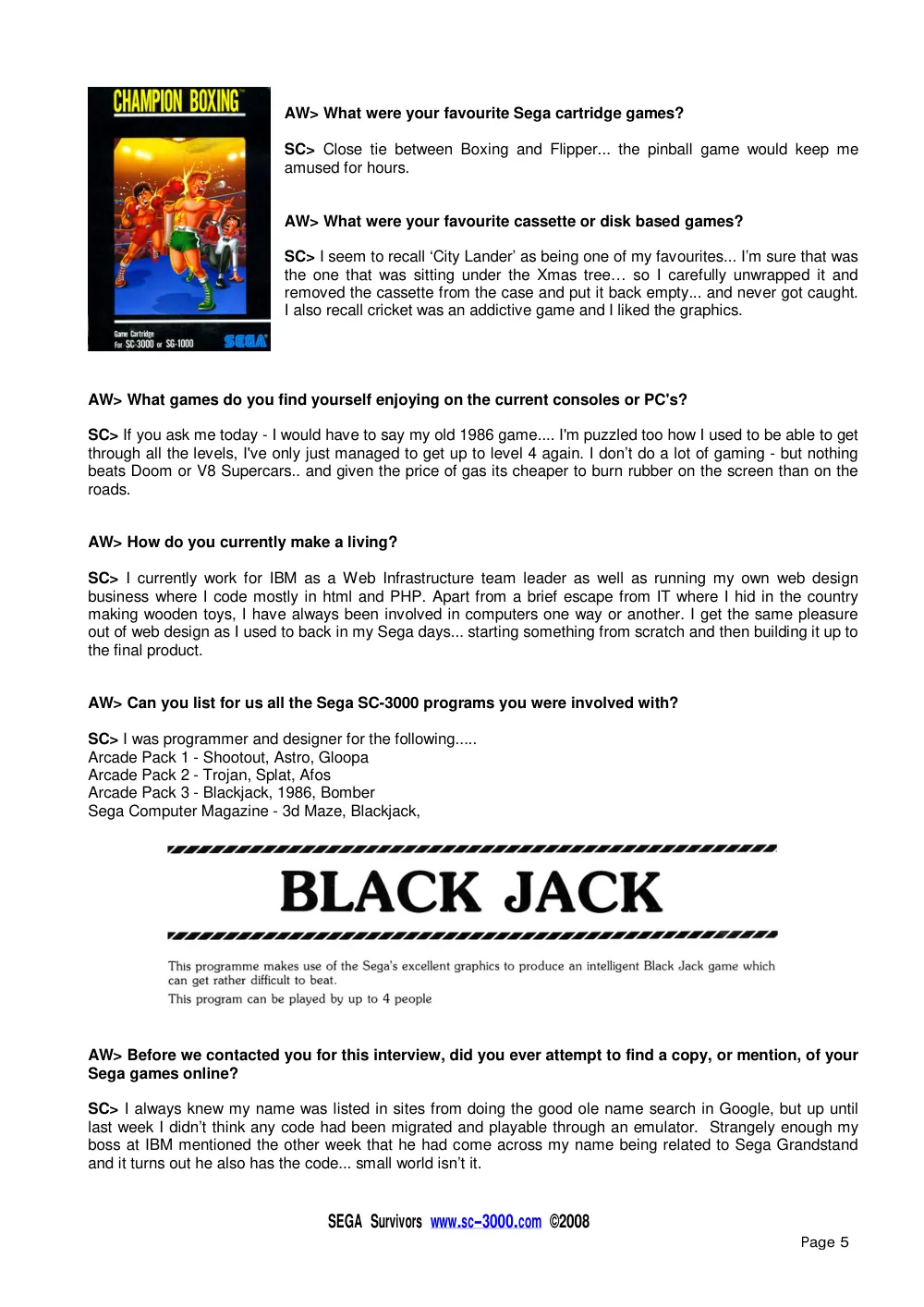
SC> Close tie between Boxing and Flipper... the pinball game would keep me
amused for hours.
AW> What were your favourite cassette or disk based games?
SC> I seem to recall ‘City Lander’ as being one of my favourites... I’m sure that was
the one that was sitting under the Xmas tree… so I carefully unwrapped it and
removed the cassette from the case and put it back empty... and never got caught.
I also recall cricket was an addictive game and I liked the graphics.
AW> What games do you find yourself enjoying on the current consoles or PC's?
SC> If you ask me today - I would have to say my old 1986 game.... I'm puzzled too how I used to be able to get
through all the levels, I've only just managed to get up to level 4 again. I don’t do a lot of gaming - but nothing
beats Doom or V8 Supercars.. and given the price of gas its cheaper to burn rubber on the screen than on the
roads.
AW> How do you currently make a living?
SC> I currently work for IBM as a Web Infrastructure team leader as well as running my own web design
business where I code mostly in html and PHP. Apart from a brief escape from IT where I hid in the country
making wooden toys, I have always been involved in computers one way or another. I get the same pleasure
out of web design as I used to back in my Sega days... starting something from scratch and then building it up to
the final product.
AW> Can you list for us all the Sega SC-3000 programs you were involved with?
SC> I was programmer and designer for the following.....
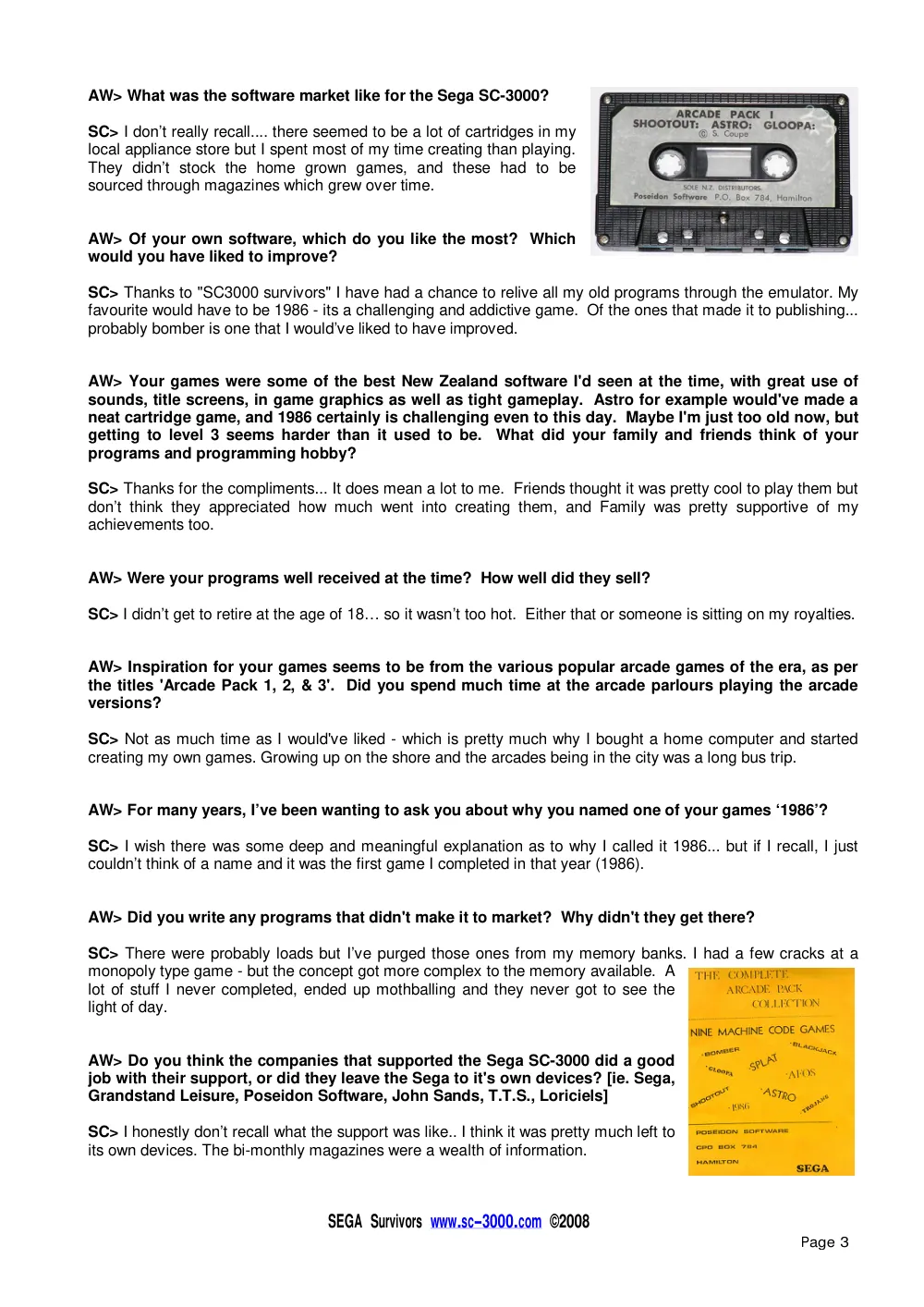
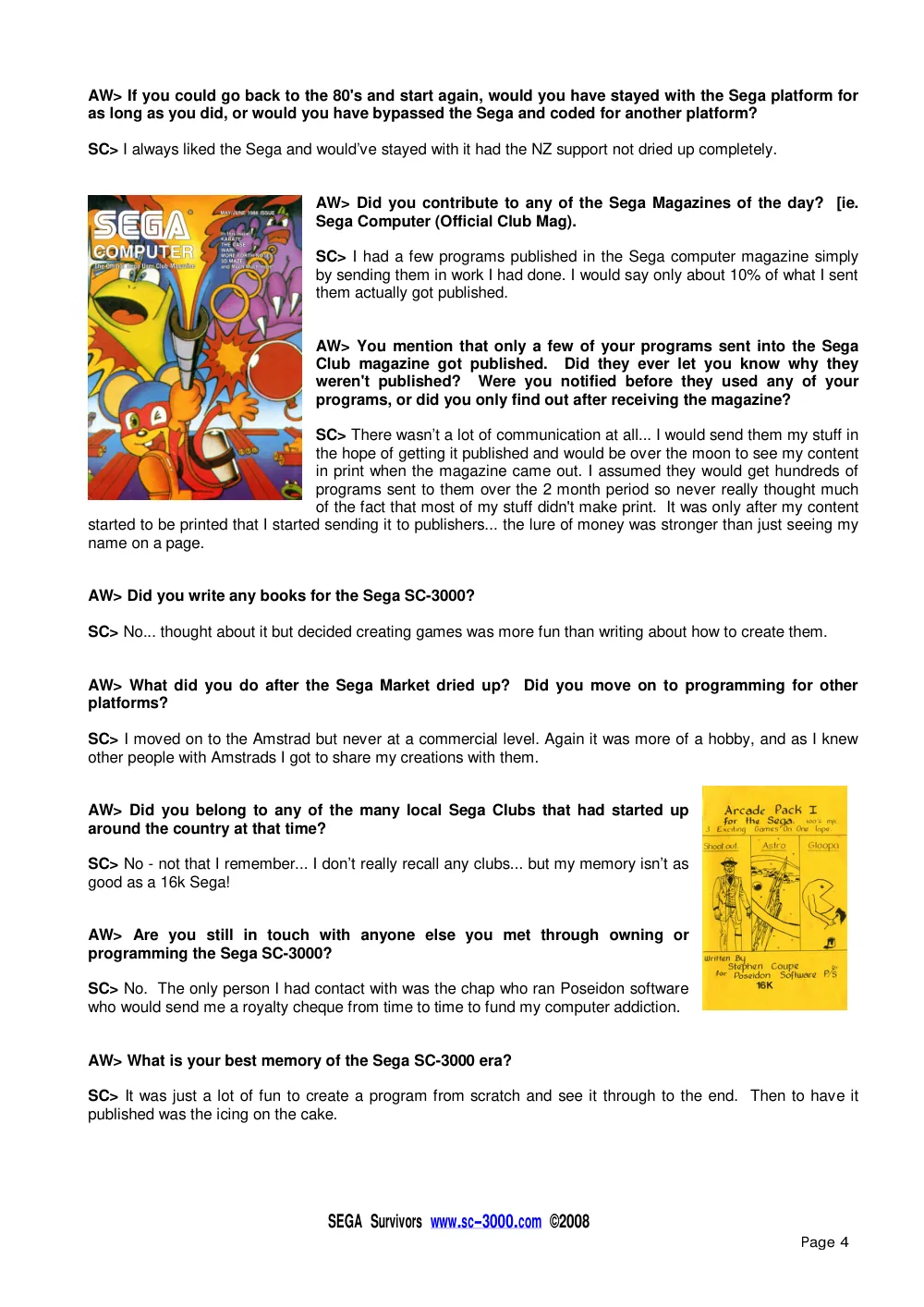
Arcade Pack 1 - Shootout, Astro, Gloopa
Arcade Pack 2 - Trojan, Splat, Afos
Arcade Pack 3 - Blackjack, 1986, Bomber
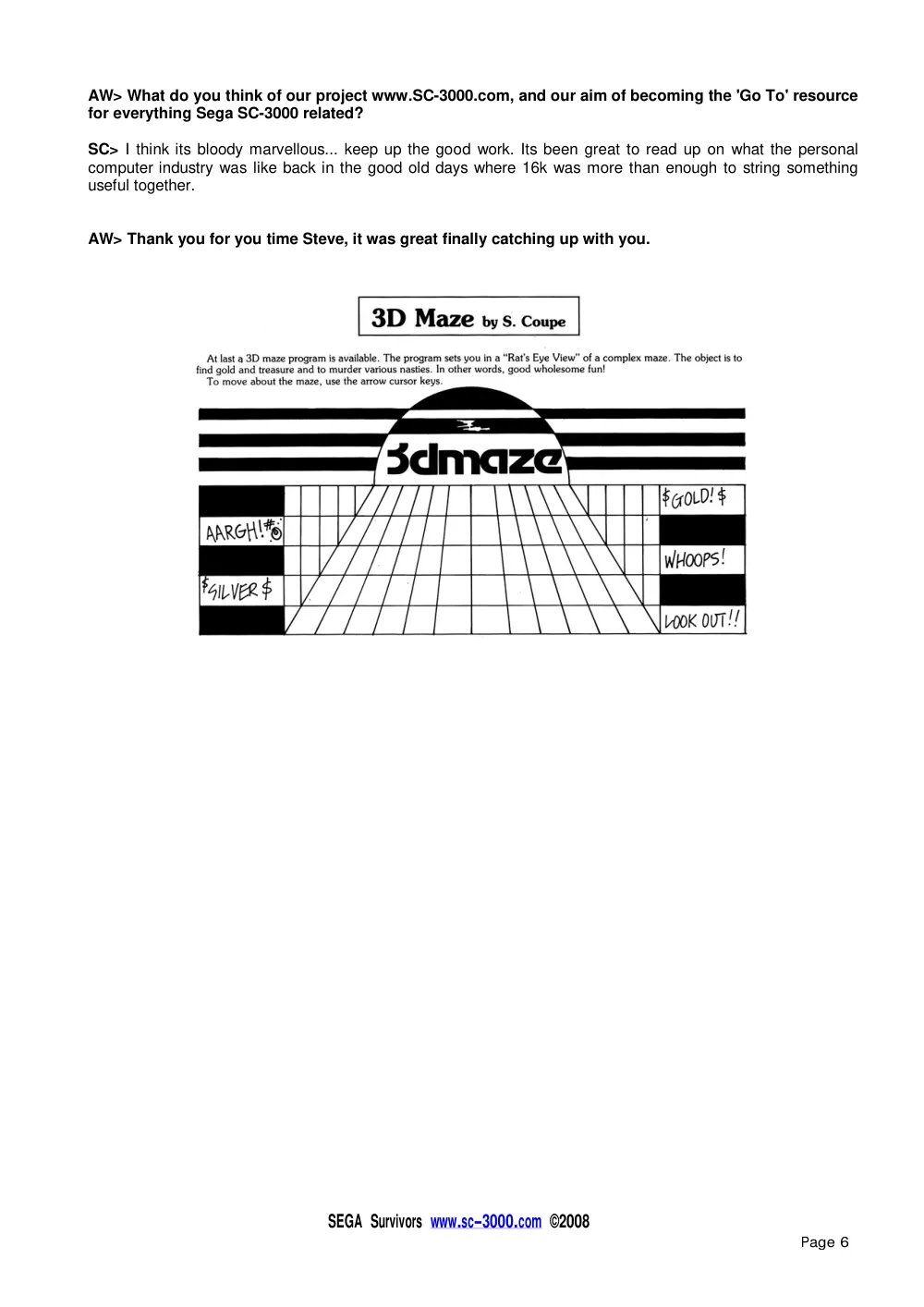
Sega Computer Magazine - 3d Maze, Blackjack,
AW> Before we contacted you for this interview, did you ever attempt to find a copy, or mention, of your
Sega games online?
SC> I always knew my name was listed in sites from doing the good ole name search in Google, but up until
last week I didn’t think any code had been migrated and playable through an emulator. Strangely enough my
boss at IBM mentioned the other week that he had come across my name being related to Sega Grandstand
and it turns out he also has the code... small world isn’t it.
5 / 6
SEGA Survivors www.sc-3000.com ©2008
Page 6
AW> What do you think of our project www.SC-3000.com, and our aim of becoming the 'Go To' resource
for everything Sega SC-3000 related?
SC> I think its bloody marvellous... keep up the good work. Its been great to read up on what the personal
computer industry was like back in the good old days where 16k was more than enough to string something
useful together.
AW> Thank you for you time Steve, it was great finally catching up with you.
6 / 6